There are only a few video game franchises that I absolutely love, but one in particular stands out as a great example in progression of game design. Assassin’s Creed was one of the first games I played during this console generation and even though it was flawed I still loved it. Now four games later I still love it and I recommend the series to all my friends as a great example of a developer listening to its audience. As a side note I will not be discussing any of the multiplayer or story elements of the games nor will I be discussing any of the spin-off games. I will be focusing on the single player gameplay elements.
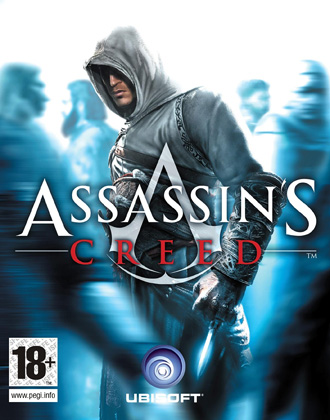 When Assassin’s Creed was first released there was a lot of buzz and hype surrounding it. It had been demoed for quite some time before and people were astounded by large cities, reactive crowds and the ease of player controls throughout the environments. However, when the game was released players soon realized that everything they had been shown about the game was all that was in the game. It was thus labeled as repetitive. The gameplay boiled down to this following flow repeated nine times; find the high point of the new district, complete three side missions (choose between eavesdropping, interrogation, meeting with informers and fellow assassins, and acquiring specific items), assassinate target, and then get a new weapon upgrade. There are a few other optional task but none of which feel all that rewarding or worth the effort; tracking and killing Templars, flag collecting, and saving citizens who are being threatened by city guards. Combat was also repetitive and felt like a ninja movie where everyone takes there turn while trying to fight the super strong main character. Overall the game was solid, the parkour navigation was easy to pick up, the crowds reacted properly to your actions and the city really felt like a living breathing 12th century city.
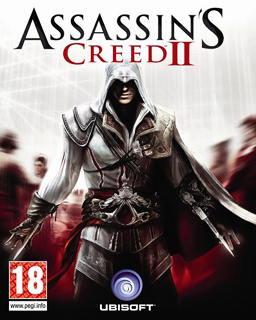 Fast forward two years later and Ubisoft presents us with Assassin’s Creed II. Initial feelings were very skeptical towards this game because of the repetitiveness of the first game. But reviewers quickly switched their gears and many that openly said they hated the first, now loved the second. The mission structure was expanded and allowed for about half of the games missions to be completely optional. Each main storyline mission felt very unique. The combat system was also updated to allow the player to do things such as disarm enemies. The player is even able to meet Leonardo da’Vinci and have him upgrade your weapons. Assassin’s Creed II also is the first time that the economic system is introduced where you can purchase shops at your headquarters and make money from these shops after a set time interval. Several other elements were added including; swimming, an enhanced eagle vision, alternative weapons, day/night cycle, and a notoriety system. The changes and additions to the second game were a clear statement that the development team understood people’s issues with the first and worked on resolving them.
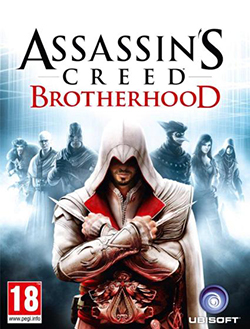 Another year passes and we get Assassin’s Creed: Brotherhood. Now I, like most people at the time, thought Brotherhood was purely a multiplayer game but we were wrong. Not only did Brotherhood have an entire multiplayer component but it also had a full single player campaign. They basically took all that was great about the second game polished it up a bit and put it in Brotherhood. They expanded the economy system so that you could now purchase shops all over the city. My two favorite additions were the brotherhood mechanic and the 100% mission sync optional tasks. In the brotherhood mechanic you recruited new assassin, sent them on missions, leveled them up and had your own personal death squad to call on at any time. Each mission also had an optional task which was required if you wanted to complete the mission with 100%. These included things like remain undetected, stay on the rooftops, or kill your target while sitting down. This was a great addition because it forced me as a player to use game elements that I would have otherwise ignored.
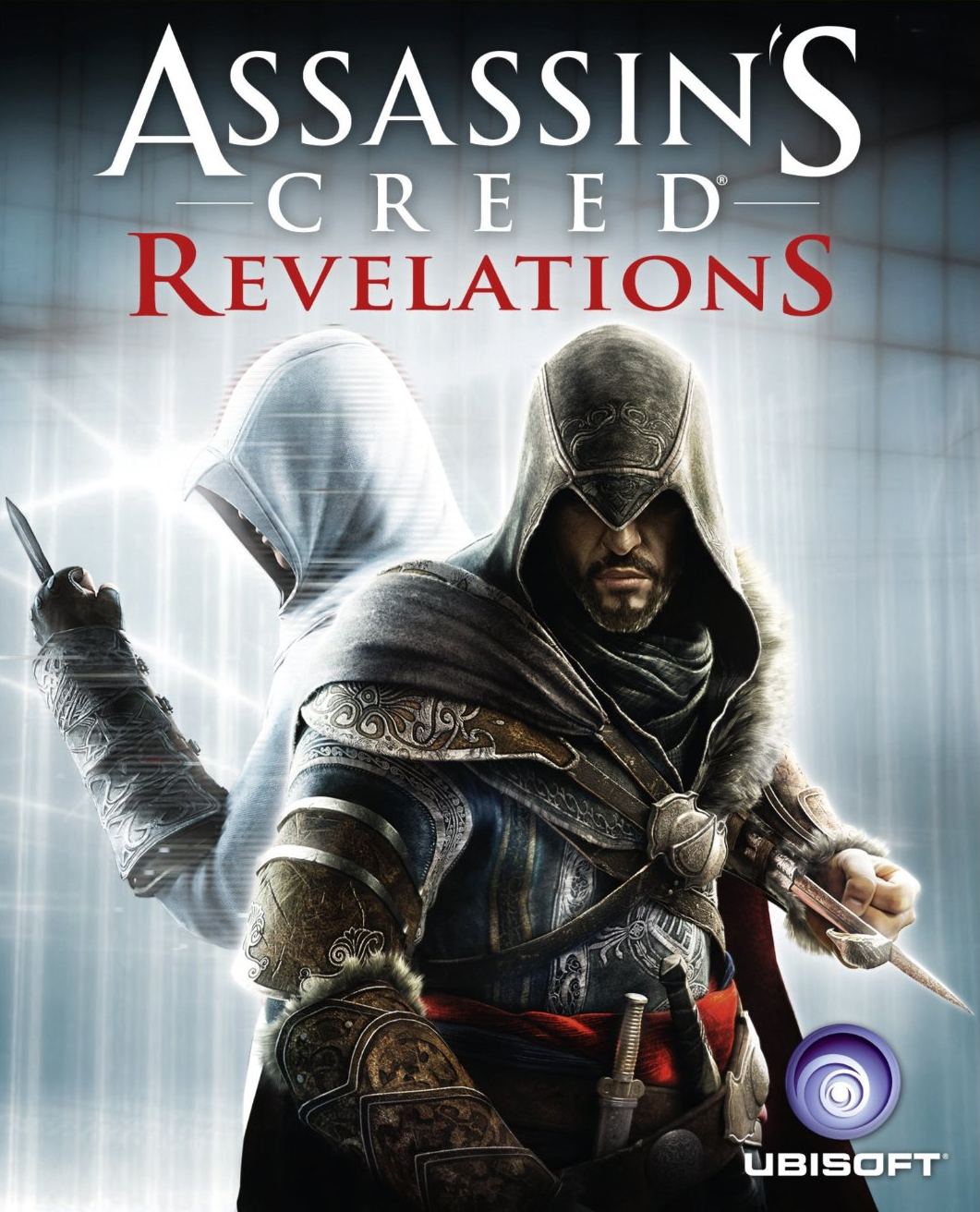 Now we come to this year, Assassin’s Creed: Revelations. Granted I have only played a few hours and I may have not seen all of the mechanics but I can definitely tell they have left in what they know people love and they are adding new mechanics that they think people will love. Now not all they have added in is great but based on their track record I have good faith that those elements will either be replaced or better in the next game.
Not only are the Assassin’s Creed games great games to play but they are also a great game to view for its design progression from one game to the next. I can not think of another game series that has been able to openly accept its criticisms and become better because of them. It is definitely a case of: if the game element is cool in this game, it’s gonna be cool in the next and if its not fun in this game, it probably isn’t going to be in the next.